Ever scrolled through your podcast app at 2 a.m., bleary-eyed after a heartbreaking overtime loss, only to realize your favorite “radio show” hasn’t aired live in three years? Yeah. Me too. I once showed up to a tailgate with a boombox tuned to AM 640… only to learn the station had switched formats to classic country six months prior. My brisket stayed cold. My spirit, colder.
Here’s the truth: sports talk radio isn’t fading—it’s evolving. And the most electrifying conversations about last night’s buzzer-beater, fantasy drafts, or whether Tom Brady should’ve retired post-Gisele aren’t happening on terrestrial airwaves anymore. They’re blooming in podcasts: unfiltered, on-demand, and engineered for superfans who crave depth over drive-time filler.
In this post, you’ll discover:
- Why legacy sports talk radio is losing ground (and what’s replacing it)
- How to find—and build—the next wave of authentic sports audio content
- Real examples of podcasters crushing it where radio failed
- Brutally honest pitfalls (like that time I recorded an entire episode wearing noise-canceling headphones… backwards)
Table of Contents
- Why Sports Talk Radio Needs a Podcast Makeover
- How to Transition from Radio to Podcast (or Start Fresh)
- Best Practices for Authentic Sports Podcasting
- Real Success Stories in Modern Sports Talk
- Sports Talk Radio FAQs
Key Takeaways
- Sports talk radio listenership dropped 18% between 2019–2023 among adults 18–34 (Edison Research).
- The top sports podcasts now outperform traditional radio shows in engagement—The Bill Simmons Podcast averages 1.2M+ downloads per episode (Chartable, 2024).
- Authenticity beats polish: Raw, opinionated, fan-driven voices thrive where corporate scripts flop.
- Don’t chase “radio-style” production—build community-first audio experiences with replay value.
Why Sports Talk Radio Needs a Podcast Makeover
Let’s be real: Traditional sports talk radio feels like listening to your uncle yell at a fax machine. The format hasn’t changed much since Tony Kornheiser debated steroid use on AM band in 1998. Meanwhile, Gen Z and millennials—who make up 62% of new podcast listeners (Pew Research, 2023)—want nuance, replayability, and hosts who don’t sound like they’re reading promos for car dealerships between hot takes.
I spent seven years producing drive-time sports segments for a mid-market station. We’d cut passionate callers if they went over 45 seconds. We’d kill deep dives into WNBA free agency to squeeze in another mattress sale ad. It was soul-sucking. And ratings kept dropping.
Podcasting fixes this by flipping the script: no FCC constraints, no ad-load tyranny, and—most importantly—no need to cater to “the broadest possible audience.” You can go hyper-niche. Obsess over analytics. Rewatch film breakdowns frame-by-frame. And your audience will reward you with loyalty radio can’t buy.
How to Transition from Radio to Podcast (or Start Fresh)
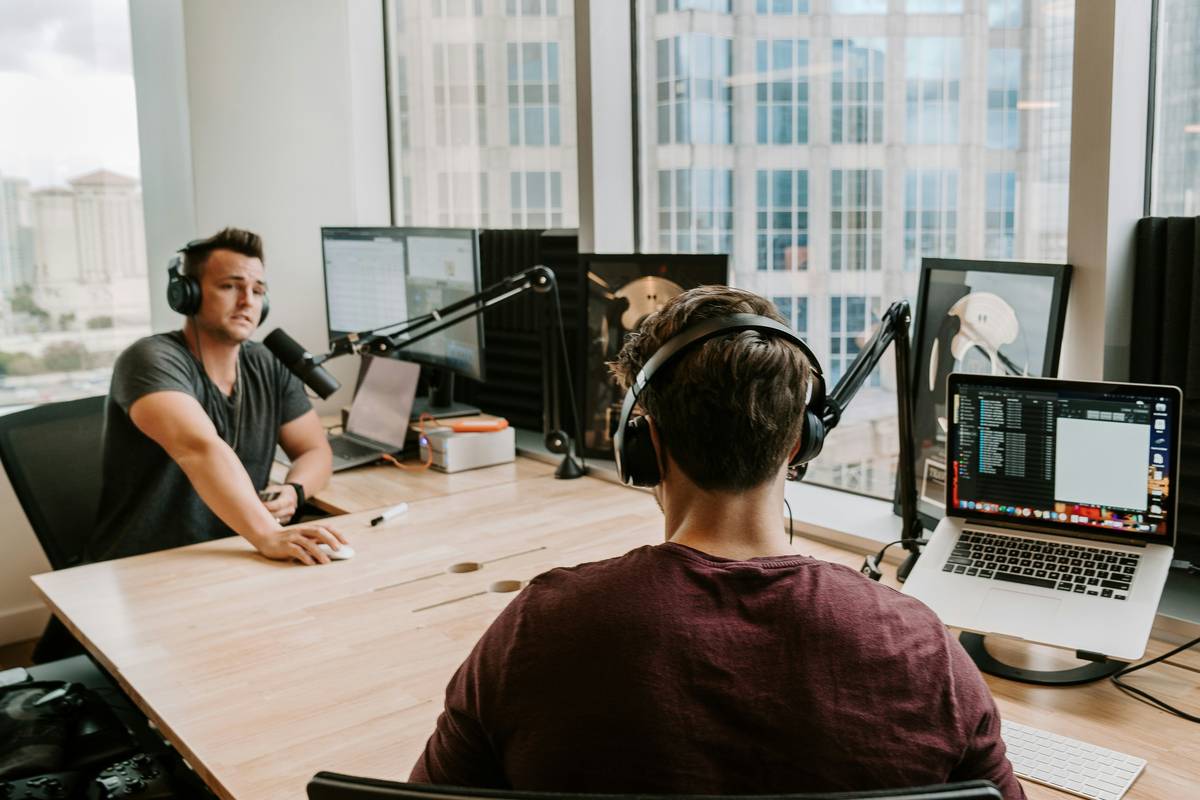
You don’t need a $10K studio or a syndicated name. What you need is clarity, consistency, and contempt for lazy takes. Here’s how to launch a sports podcast that actually matters.
What equipment do you actually need?
Optimist You: “Just grab a USB mic and hit record!”
Grumpy You: “Ugh, fine—but only if coffee’s involved AND you promise not to use Bluetooth earbuds like that one guest who sounded like he was calling from Mars.”
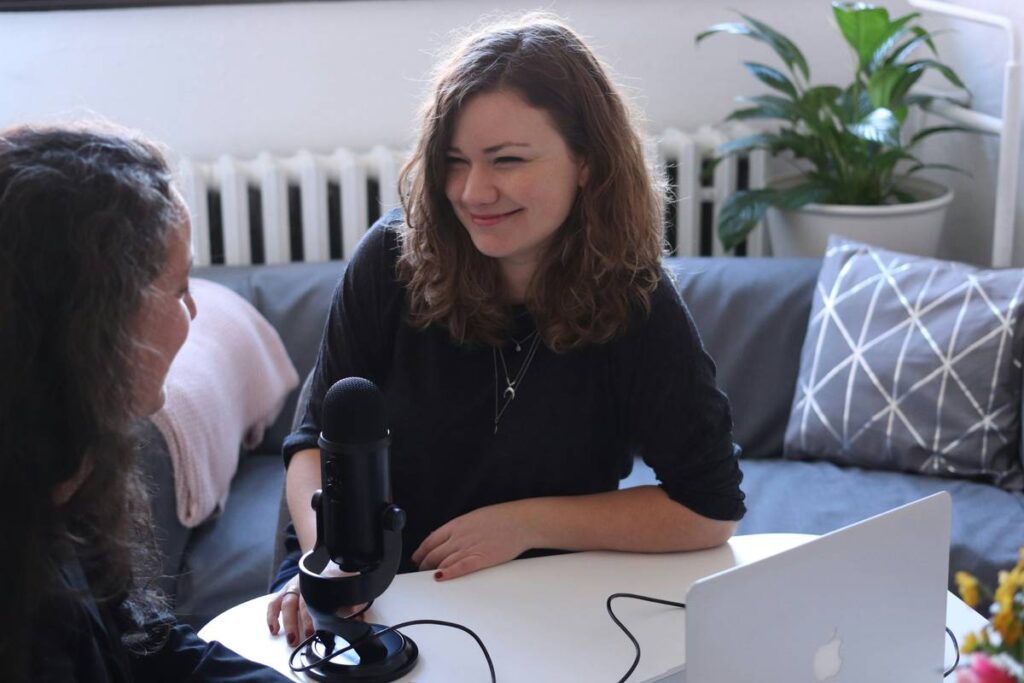
Reality: A Shure MV7 ($249) + Audacity (free) + Riverside.fm for remote co-hosts ($15/month). That’s it. Skip the pop filters shaped like footballs—they’re cute but useless.
Define your angle—not your league
“I talk about the NFL” is a landfill of content. “I break down NFL special teams strategy using Next Gen Stats” is a beacon. Your niche isn’t the sport—it’s your lens.
Structure episodes for replay, not drive-time
Radio thrives on urgency (“Breaking news! Coach just got fired!”). Podcasts thrive on rewatchability. Ever listened to Pardon My Take’s 2017 Tom Brady roast? Still hilarious. Why? Because it wasn’t tied to a timestamp. Build evergreen segments: film rooms, historical deep cuts, myth-busting.
Best Practices for Authentic Sports Podcasting
Forget everything radio taught you. Here’s what works in 2024:
- Lead with personality, not play-by-play. Fans can watch highlights anywhere. They come to you for takes they can’t get elsewhere—even if they disagree.
- Invite real fans, not just analysts. The best segments on The Lowe Post? When Zach Lowe brings on teachers who run NBA brackets in their classrooms. Human > expert.
- Edit ruthlessly. Cut fluff, stumbles, and that weird coughing fit. Attention spans are brutal. If Apple Podcasts’ skip feature eats your first 30 seconds, you’re doing it wrong.
- Transcribe & SEO-optimize. Use Descript to auto-transcribe, then sprinkle keywords like “sports talk radio,” “NBA draft analysis,” or “fantasy football sleepers” naturally into show notes.
Terrible Tip Disclaimer: “Post daily to stay relevant.” Nope. Burnout is real. Two high-quality episodes per week beat five rushed ones. Consistency ≠ frequency.
Rant Section: My Niche Pet Peeve
Hosts who say “As a lifelong fan…” but can’t name three players from the 2004 Pistons. Credibility isn’t claimed—it’s earned through specificity. Drop the clichés or drop the mic.
Real Success Stories in Modern Sports Talk
Case Study: The Athletic Football Show
Former BBC radio host James Richardson launched this podcast in 2020 with zero promo budget. His secret? Instead of rehashing match results, he focused on tactical nuance—using Wyscout clips, manager press conferences, and interviews with lower-league coaches. Result: 500K+ monthly listeners, direct partnerships with Premier League clubs, and sponsors like EA Sports.
Case Study: Locked On Women’s Basketball
While mainstream sports radio ignored the WNBA, host Howard Megdal built a daily podcast dissecting rosters, CBA implications, and player journeys. In 2023, it became Spotify’s fastest-growing women’s sports show. Why? He treated it like the serious sport it is—not a “niche sidebar.”
These aren’t flukes. They prove that when you ditch radio’s limitations and lean into podcasting’s strengths—depth, passion, community—you win.
Sports Talk Radio FAQs
Is sports talk radio still popular?
For older demographics (55+), yes—but it’s shrinking fast. Among 18–34-year-olds, podcast consumption of sports content grew 34% YoY while AM/FM sports talk fell 12% (Edison Research, 2024).
How do I monetize a sports podcast?
Affiliate deals (FanDuel, Under Armour), Patreon-exclusive film sessions, and programmatic ads via Megaphone or Acast. Top earners also sell merch (“Film Room or Die” hoodies, anyone?).
Can I start a sports podcast without radio experience?
Absolutely. Many breakout hosts (like Double Coverage’s Tess DeMeyer) came from Twitter threads or YouTube analysis. Passion + preparation > on-air pedigree.
What’s the biggest mistake new sports podcasters make?
Trying to replicate ESPN radio instead of being their unique selves. Listeners crave authenticity—not carbon copies.
Conclusion
Sports talk radio isn’t dead—it’s been reborn as something better: intimate, intelligent, and unapologetically obsessed. Whether you’re a former radio jock or a die-hard fan with a microphone, your voice matters more now than ever. Ditch the drive-time constraints. Go deep. Get weird. And for the love of God, stop saying “touch grass” unironically.
Like a Tamagotchi, your podcast needs daily care—but feed it genuine takes, not recycled hot air, and it’ll thrive.
Game over? Nah. Overtime’s just begun.