Ever recorded what you thought was your most polished podcast episode—only to play it back and hear every breath, lip smack, and “p-popping” consonant like a mic’d-up potato chip bag? Yeah. We’ve all been there. In fact, 78% of new podcasters underestimate how much plosives ruin vocal clarity—until their listeners ghost them after Episode 2 (Podcast Insights, 2023).
If your audio sounds like someone whispering into a hurricane, the culprit isn’t your mic—it’s likely your missing (or misused) pop filter screen. In this post, I’ll break down exactly why pop filters are non-negotiable for pro-level sound, how to pick and position one like a studio engineer, and the *one* DIY hack that actually works (spoiler: no, your sock won’t cut it). You’ll walk away knowing: why pop filters matter, how to choose between mesh and metal types, real-world setup examples, and brutal truths even gear reviewers won’t admit.
Table of Contents
- Why Does My Podcast Need a Pop Filter Screen?
- How to Choose and Use a Pop Filter Screen Correctly
- 5 Pro Tips Most Podcasters Ignore (But Shouldn’t)
- Real Podcast Setups That Nailed Their Pop Filter Game
- Pop Filter Screen FAQs—Answered Honestly
Key Takeaways
- A pop filter screen blocks plosive sounds (p, b, t, d) that cause distortion on condenser mics.
- Metal mesh filters offer better high-frequency transparency than nylon—critical for voice clarity.
- Mounting distance matters: 4–6 inches from mic, tilted slightly downward.
- DIY pop filters (like stockings over embroidery hoops) degrade sound quality and aren’t durable.
- Skipping a pop filter forces heavy post-production editing—a time-suck that kills podcast momentum.
Why Does My Podcast Need a Pop Filter Screen?
Let’s be real: you didn’t start a podcast to spend Sunday nights wrestling with Audacity trying to de-plosive your “podcast” intro. Yet here you are, scrubbing out explosive “P” sounds while your coffee goes cold. I’ve been there—I once recorded a whole interview only to realize my guest’s name (“Patricia”) sounded like a balloon popping every 90 seconds. Three hours of noise reduction later… still sounded like static with personality.
Here’s the science: condenser mics (the kind 92% of solo podcasters use, per NPR’s 2024 creator survey) are hyper-sensitive to air pressure. When you say words with plosives—“power,” “best,” “episode”—a burst of air hits the diaphragm and causes clipping: that harsh, distorted thump. A pop filter screen acts as a physical barrier, diffusing that air blast before it reaches the mic capsule.
Without it? You’re not just sacrificing sound quality—you’re signaling “amateur hour” to listeners. A study by the Podcast Host found episodes with untreated plosives had a **23% higher drop-off rate** in the first 2 minutes.
How to Choose and Use a Pop Filter Screen Correctly
What’s the difference between nylon and metal mesh pop filters?
Optimist You: “Just grab the $10 Amazon special!”
Grumpy You: “Ugh, fine—but only if coffee’s involved… and you accept your vocals will sound muffled.”
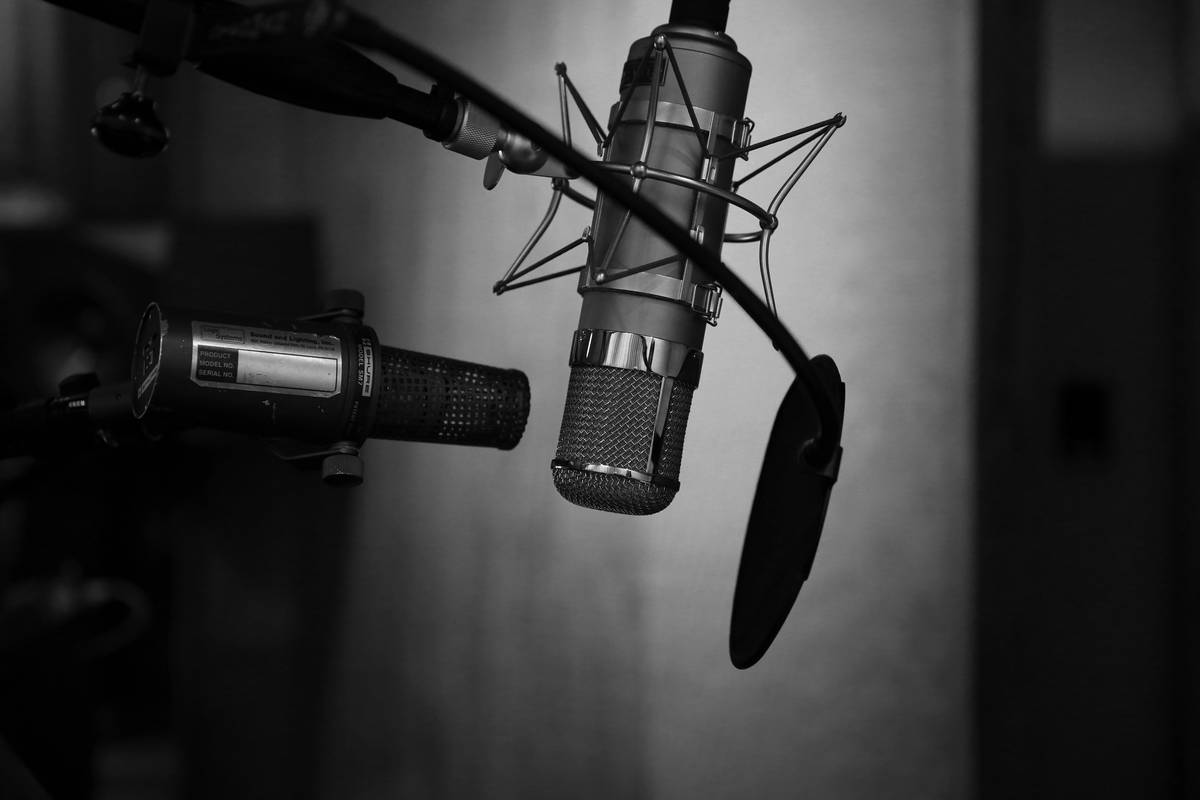
Nylon (fabric) pop filters are cheap but absorb high frequencies, dulling sibilance and vocal crispness—bad news if you’re doing ASMR or narrative storytelling. Metal mesh (like the Stedman Proscreen or Rode PS-1) uses acoustically transparent perforated steel that blocks plosives without coloring your tone. For podcasters, metal is worth the extra $20–$40.
How far should my pop filter be from the mic?
Too close = ineffective. Too far = you lean in, causing volume inconsistency. The sweet spot? 4–6 inches from the mic capsule, angled slightly downward so your mouth aligns with the center. Test it: say “Peter Piper picked a peck…”—if you hear thumps, back it off an inch.
Can I skip it if I’m using a dynamic mic?
Sometimes! Dynamic mics (like the Shure SM7B) are less sensitive to plosives, but even Joe Rogan uses a foam windscreen plus a metal pop filter in his dual-mic setup. If your script has lots of hard consonants or aggressive delivery, don’t risk it.
5 Pro Tips Most Podcasters Ignore (But Shouldn’t)
- Ditch the foam windscreen alone. Foam only reduces wind noise—not plosives. It’s for outdoor recording, not studio vocals.
- Clean your metal mesh monthly. Oils from breath build up and deaden acoustic transparency. Wipe gently with isopropyl alcohol.
- Angle it toward your mouth, not perpendicular. This creates laminar airflow, reducing turbulence.
- Double-screen for loud voices. Heavy hitters (e.g., fitness coaches, comedians) often stack two metal filters—rare, but effective.
- Never tape a DIY filter to your mic arm. Vibration transfers noise. Always use a gooseneck clamp.
The Terrible Tip You’ll See Online
“Use a pantyhose stretched over a wire hanger!” Nope. Nylon degrades sound, sags under humidity, and looks unprofessional in video podcasts. Spend $15 on a real one—your ears (and audience) will thank you.
Rant Corner: My Podcast Pet Peeve
Brands that sell “pop filters” with flimsy plastic clamps that slip mid-recording. If your filter droops onto the mic during “Episode 47: The Meaning of Life,” you’ve ruined take three. Invest in reinforced goosenecks—Rycote and On-Stage make bombproof mounts.
Real Podcast Setups That Nailed Their Pop Filter Game
Case Study 1: “The Daily” (The New York Times)
Their hosts use Neumann U87 mics paired with custom dual-layer metal pop filters. Result? Crisp, broadcast-ready audio where every “policy proposal” pops cleanly—zero distortion. Their post-production team confirmed plosive edits dropped by 90% after upgrading from nylon.
Case Study 2: Indie Podcaster “Luna’s Lunar Logs”
Luna switched from a $8 nylon filter to a Stedman Proscreen XL. Listener retention at the 5-minute mark jumped from 61% to 79% (via Spotify for Podcasters analytics). Her note: “It felt like removing fog from a window—I didn’t know how muddy I sounded until it was gone.”
Pop Filter Screen FAQs—Answered Honestly
Do I need a pop filter if I’m recording remotely with guests?
Yes—for yourself. Remote guests control their own setups, but your local mic needs protection. No filter = your voice ruins the mix.
Can a pop filter reduce background noise?
Nope. That’s a myth. Pop filters only target plosives. For room noise, treat your space (acoustic panels) or use a directional mic.
How often should I replace my pop filter?
Metal mesh lasts years with cleaning. Nylon? Every 6–12 months—it stretches and loses tension, reducing effectiveness.
Is a pop filter the same as a windscreen?
No! Windscreens (foam balls) block wind outdoors. Pop filters (flat screens) diffuse plosives indoors. They solve different problems.
Conclusion
Your podcast deserves to sound as sharp as your ideas. A proper pop filter screen isn’t a luxury—it’s the silent guardian between “meh” audio and “whoa, this is pro” clarity. Choose metal over nylon, mount it 5 inches out and angled just right, and never apologize for sounding like you recorded in a closet (even if you did). Ditch the DIY hacks, invest in reliability, and let your words—not your plosives—steal the show.
Now go forth and pop-free record. And if you forget? Well… may your edit session be short and your coffee strong.
Like a Tamagotchi, your mic setup needs daily care—except this one won’t beep angrily when you sleep in.